Nobody has the AI workforce playbook. The honest ones are writing it anyway.
THE VERDICT
Nobody has an AI workforce playbook yet. The organisations getting ahead are not the ones with the cleverest forecast. They are the ones honest enough to admit what failed, fix the boring foundations, and tell their people the truth.
Evidence base: first-hand. I was in the room at AXON London 2026, TalentNeuron’s invite-only dinner at Carousel, London, on 1 October. For: leaders who have been asked how their workforce will look in two to three years, and could not answer with confidence.
The Honest Experiment · No. 07 · Field notes from AXON London 2026
The question nobody could answer
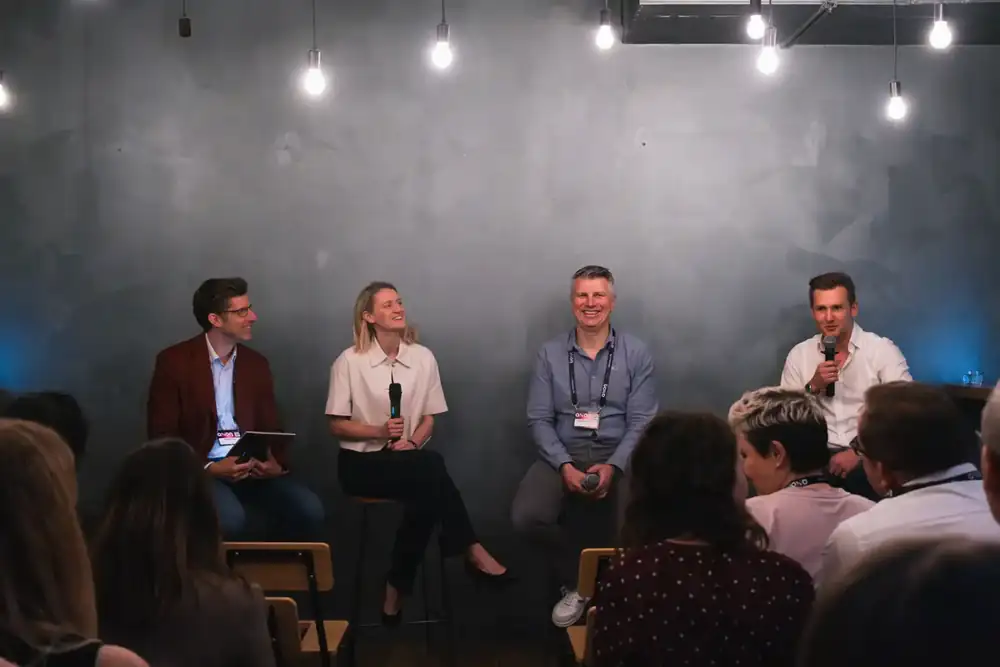
David Green opened with a simple question: how will your workforce look in two to three years, in skills and in headcount? Very few hands went up.
That was the most honest moment of the evening, and I respect the room for it. Every leadership team is asking which roles change first, how to staff for skills that do not exist yet, and how to plan headcount with no playbook. Most AI conversations stay high level. This one was about the Monday-morning question: how does this actually work?
A second poll told the same story. Most of us understand our organisations at the job level. Only one or two people felt they understood meaningful parts of the business at the level of tasks and workflows. That is the real baseline, and it is where this article starts.
The failures they said out loud
This is why I started The Honest Experiment. We learn most from failures, yet we rarely talk about them. On this panel, people did.
Sage had a false start. Andrew Dickinson described trying to drive strategic workforce planning function by function. It landed as another HR process. It was immature, it met resistance, and it took more than two years to reset. The fix was not a better template. Sage dropped most of the process framing, and much of the SWP label, and led with business outcomes instead.
Experian hit the same wall. Erzsébet Malzenicky described a rigorous demand-forecasting exercise that frustrated the business so much that she sometimes avoids the term altogether. Leaders wanted a headcount number, not a conversation about future work.
I have sat on both sides of that table. As a business leader, I received HR processes that felt heavy and slowed us down. Inside HR, I have built some of them. Hearing two serious organisations admit the same mistake, and explain what they changed, was worth the evening on its own.
The panel also named two other traps:
- Strategic versus operational is a false choice. Strategy without operational translation becomes a polished deck. Operations without strategy becomes quiet headcount creep, where a team of 25 becomes 28 because last year said so.
- AI strategy and workforce strategy still live parallel lives. AI lands with the CEO and CIO. Then the benefits fail to show up on the people side. At Sage, scenario work finally made the case that technology and workforce change are one business transformation, now steered by an AI board.
The boring foundation still wins
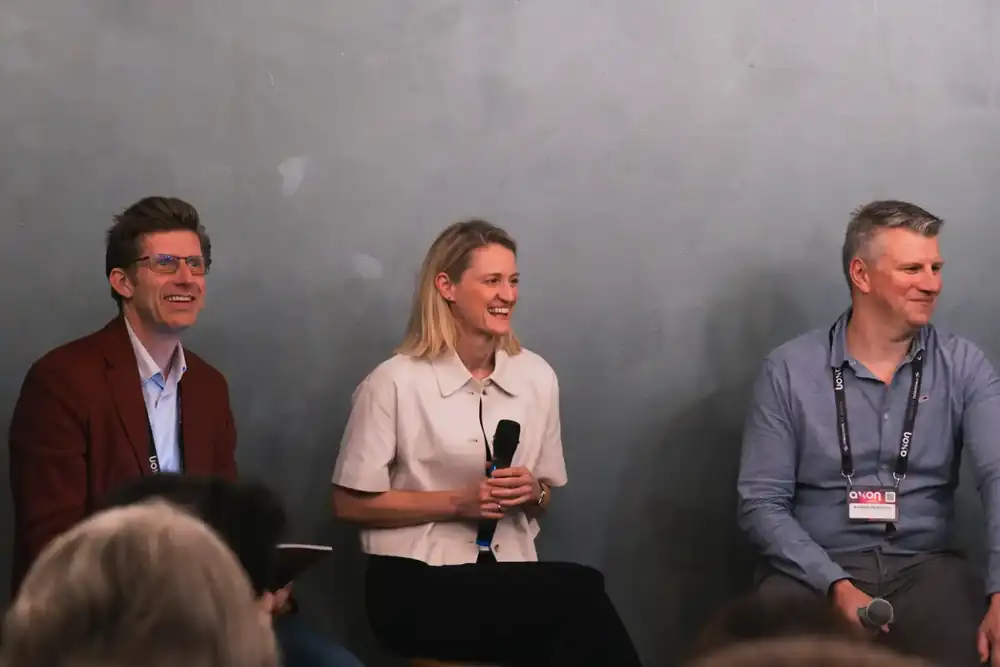
If you have followed my Skills Architecture series (start with Skills Architecture versus Tech Platforms), this part will feel familiar. The panel validated the sequence I keep coming back to:
Job architecture → Skills → Tasks → Work → Talent decisions
Experian is a federated business, built through acquisitions. It created a single job architecture, added a skills layer, and mapped every employee to it. For the first time, it could see its whole workforce through one structure.
Erzsébet called this work boring. She is right, and that is the point. You cannot judge AI’s impact on work you cannot see. Only after that foundation was in place did Experian add an external market view, break standard roles down into tasks, and build scenarios. When the business tested those scenarios, the outcomes often differed from the first assumptions. That is exactly what good scenarios should do.
Sage used a different lens to reach the same honesty. It grouped its workforce by how each part creates value: builders, sellers, external enablers, internal enablers and measurers. The view showed it was under-invested in the engineers who build the product. Andrew admitted the benchmark was crude, but it gave leaders a strategic reason to move investment.
Julius Bähr added the line I will remember: standardisation never ends. You keep adding data, from tasks to the technology you already own, and the discipline of keeping it comparable matters more than any single new data point.
Tasks are now the bridge between roles and real workflows. A recruiting workflow touches recruiters, HR analysts and others. Seeing it at task level shows where AI genuinely changes the work. One CHRO, the panel mentioned, now asks senior HR business partners to compare token cost with human labour cost when deciding how work gets done. That is the work architecture thread I flagged as the next frontier in this series.
The honest risk: a task frenzy
One audience question was the most honest of the night. Are we about to swap a skills frenzy for a task frenzy?
I have lived the first one. Many of us collected skills data with no clear reason for employees to give it or keep it current. Julius named the result: a skills data graveyard. Task data can go the same way, and faster, because work differs from person to person. Two people in the same job rarely do it the same way.
The panel’s answer matched the first reflection in my series: start with the business problem, not the framework. Begin task work in a few areas with a real need, such as an AI investment that has not delivered what it promised. Use tools to move faster. Then get to adoption, rather than staying stuck in the taxonomy.
Erzsébet added a useful counterweight. Talking about work, even when it is slow and painful, stops organisations from jumping straight to an Excel forecast. It forces strategic questions, scenarios and decisions.
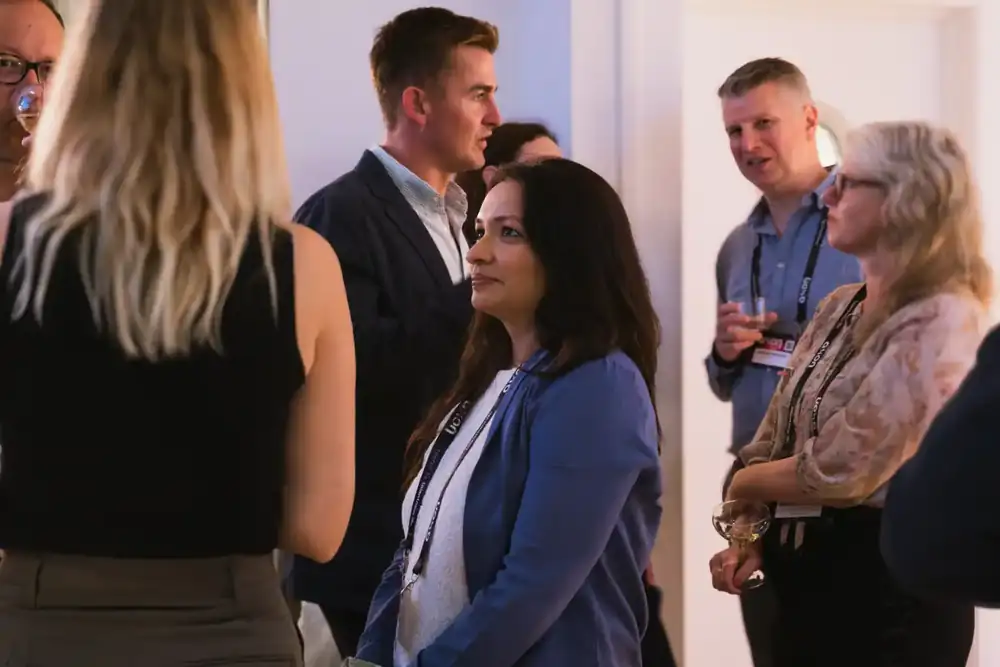
Then came the point that every transformation leader knows and too few act on. Change management is usually the first budget line to be cut, and it is the reason most transformations fail. This is a people transformation, not a technology one. Andrew went further: organisations cannot keep demanding more output or treat 60- to 80-hour weeks as normal. People need time to recover. One audience member named the quieter risk, that we are becoming data chasers and pushing human judgement into second place.
Tell people the truth
The closing discussion moved from data to people, and it was the most human part of the evening.
On trust. Asking employees to break their work into tasks feels threatening when they link it with more agents and fewer people. Sage’s answer was twofold. First, find the curious people who like to experiment and make them change agents. Some frontline support staff now train the agents that serve customers. Second, be honest with everyone else. Sage’s CEO told employees plainly that jobs will change. Hiding that would destroy trust. The panel accepted that anxiety will not disappear. Transparency is the only thing that earns the right to redesign roles with people rather than to them.
On humans and agents. Sage already has agents working in the business, but nobody on stage believed managers will simply manage people and agents side by side. Who governs agents? Do we need a new function for it? How do we allocate tokens by value rather than by budget? With only about a year of real experience across the industry, the honest answer is that nobody has solved this yet. Erzsébet offered a grounding thought: do not imagine an alien future of work. People will still do the work, increasingly with help.
On early careers. The final challenge came from the floor. If this anxiety reaches students and families, what are companies doing with universities and young people, instead of leaving it to government? Andrew admitted Sage had not invested enough and is now increasing that investment, rooted in its Newcastle heritage. David Green’s hypothesis is one I would like to see tested: companies that keep investing in early careers will innovate more and build stronger succession.
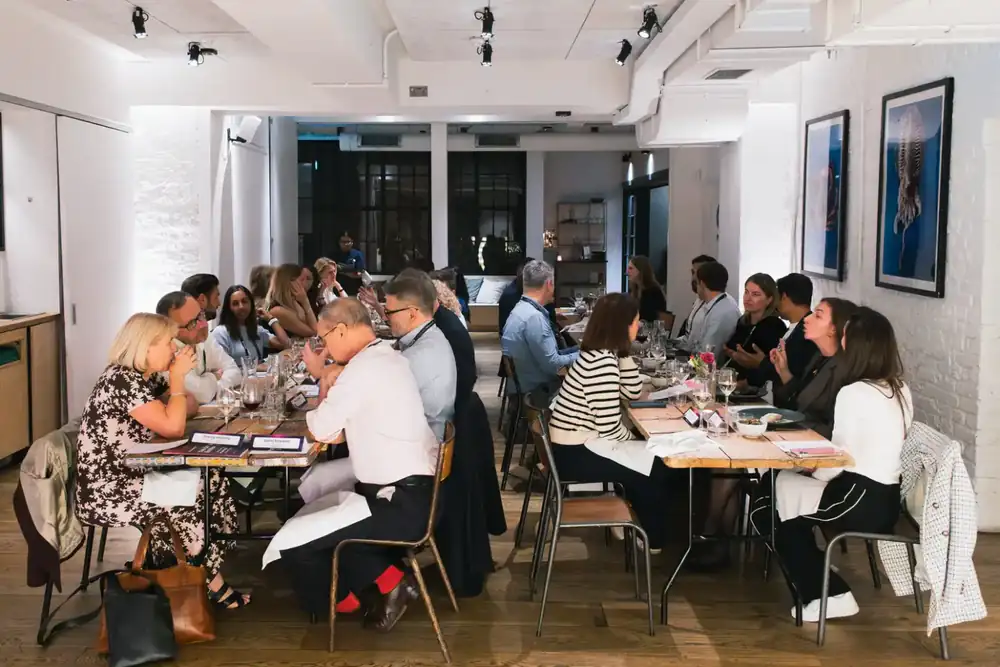
The pathway
If you are the leader being asked the two-to-three-year question, here is the honest version of what the room would tell you on Monday morning:
- Lead with the business outcome, not the SWP label. If it feels like HR admin, the business will treat it that way.
- Fix the architecture before you chase tasks. One job architecture, a skills layer, every employee mapped. Boring, and everything else stands on it.
- Go to task level with a purpose. Pick the few areas with a real business need, and avoid the graveyard.
- Put finance and the AI agenda in the same room as workforce. A workforce plan that does not match the financial plan cannot be acted on.
- Decide your measures before you start. Track how far reality drifts from the business case, plan A, B and C scenarios, and review during the year, not twelve months later.
- Fund change management, and protect it. It is the first line cut and the main reason transformations fail.
- Tell people the truth. Work will change. Saying so is what earns the right to redesign it together.
David Green summed up the evening near the close. The field has changed enormously, but the core question has not: why should the business care? Workforce planners are internal consultants, and they must re-earn their licence to operate every time. Data, frameworks, skills, tasks and technology serve that question. They are never the point.
That is the honest experiment I want us all to run.
Over to you: where has workforce planning failed in your organisation, and what did you change? I would love to hear the honest version in the comments. And is it time to replace “strategic workforce planning” with another term? What would it be?